Travel and discovery
Travel has evolved far beyond simple tourism. Today’s explorers seek transformative experiences that respect local communities, preserve fragile ecosystems, and challenge personal boundaries in environments ranging from soaring mountain peaks to remote desert expanses. Whether you’re considering extended stays as a digital nomad, planning your first high-altitude trek, or navigating the complexities of authentic eco-tourism, the landscape of modern travel demands both careful preparation and ethical awareness.
This comprehensive resource introduces the foundational principles that underpin meaningful travel experiences. From distinguishing genuine sustainable tourism from clever marketing to selecting the right crampons for technical ascents, we’ll explore the decisions that separate transformative adventures from superficial trips. Understanding these core concepts empowers you to travel with confidence, minimize your environmental footprint, and create genuine connections across cultures and terrains.
Why Responsible Travel Matters More Than Ever
The tourism industry’s environmental impact has reached a critical threshold, making conscious travel choices essential rather than optional. Authentic eco-tourism differs dramatically from companies that simply attach “eco” to their branding while continuing extractive practices. Genuine sustainable operators demonstrate measurable conservation outcomes, employ local staff at fair wages, and invest tourism revenue directly into habitat protection or community development.
Wildlife interaction ethics form another cornerstone of responsible exploration. Activities that allow touching, feeding, or unnaturally close proximity to wild animals typically indicate welfare concerns, regardless of marketing claims. Ethical wildlife experiences maintain natural behaviors, respect minimum distance requirements, and prioritize animal wellbeing over photo opportunities. Research suggests that seemingly harmless interactions—like elephant bathing or dolphin swimming programs—often involve conditioning techniques that compromise animal health.
Strategic choices multiply your positive impact:
- Off-season travel reduces pressure on overtouristed destinations during peak periods while supporting year-round employment for local communities
- Selecting homestays over international hotel chains directs tourism revenue to families rather than distant corporate shareholders
- Vetting tour operators through certification bodies, local reviews, and transparent pricing structures helps identify genuinely responsible businesses
- Understanding that the cheapest option often indicates compressed wages, environmental shortcuts, or animal welfare compromises
Planning Meaningful Journeys: From Logistics to Mindset
The practical foundations of travel begin with regulatory considerations, particularly for extended international stays. Digital nomad visa programs have proliferated across dozens of countries, each with distinct requirements regarding minimum income thresholds, tax implications, and permitted work activities. Comparing these programs requires examining not just the headline benefits but the fine print around healthcare access, residency implications, and renewal conditions. Some programs offer pathways to permanent residency while others strictly prohibit local employment beyond remote work for foreign employers.
Selecting tour operators demands rigorous evaluation beyond online star ratings. A comprehensive vetting checklist should examine:
- Verifiable safety certifications relevant to the activity and jurisdiction
- Transparent cancellation and emergency evacuation policies
- Staff-to-participant ratios that allow adequate supervision
- Evidence of equipment maintenance schedules and replacement protocols
- Clear communication about physical requirements and risk factors
The guided tour versus solo exploration decision shapes your entire experience. Guided expeditions provide expert knowledge, logistical support, and enhanced safety in technical or remote environments, but constrain spontaneity and often isolate you within a tourist bubble. Solo exploration offers unparalleled flexibility and authentic local interactions, yet demands greater research, language skills, and self-sufficiency. Many experienced travelers adopt a hybrid approach—joining guides for technically demanding segments while maintaining independent exploration for cultural immersion.
Perhaps counterintuitively, scheduling time for serendipity produces the most memorable experiences. Over-programmed itineraries eliminate the margin necessary for unexpected discoveries, chance conversations, or simply observing daily life. Building empty half-days into your schedule transforms travel from checklist completion into genuine discovery. This intentional spaciousness allows you to accept spontaneous invitations, explore intriguing side streets, or extend stays in places that resonate unexpectedly.
Tourist pricing scams remain prevalent in high-traffic destinations. Common patterns include unmarked taxi rates, menu prices that differ for locals versus foreigners, and artificially inflated “standard” prices for services. Protection strategies include researching typical costs beforehand, observing what locals pay, and politely walking away from aggressive sales tactics—often prompting immediate price corrections.
Preparing for High-Altitude and Mountain Environments
Mountain adventures demand both physical conditioning and meticulous logistical preparation. Altitude physiology affects everyone differently regardless of fitness level—elite athletes can experience severe altitude sickness while less fit individuals may acclimatize smoothly. Proper preparation includes gradual ascent profiles that allow acclimatization, understanding symptoms that require immediate descent, and adjusting expectations as reduced oxygen levels decrease performance by roughly ten percent per thousand meters above sea level.
Season selection dramatically influences mountain safety. Weather windows, avalanche risk, and route conditions vary considerably across months. Summer typically offers the most stable weather but also the most crowded trails and potentially hazardous snowmelt-swollen river crossings. Shoulder seasons provide solitude and stunning landscapes but require greater self-sufficiency and weather management skills. Researching historical weather patterns, local guide recommendations, and recent trip reports provides crucial context beyond general seasonal advice.
Optimizing Pack Weight for Performance and Safety
Every additional kilogram carried uphill compounds fatigue exponentially on steep ascents. Base pack weight—everything except consumables like food, water, and fuel—should typically remain under ten kilograms for multi-day mountain trips. Achieving this requires ruthless prioritization: taking only essential items, selecting lightweight alternatives where safety permits, and sharing community gear like shelters and cooking systems. However, weight reduction must never compromise safety equipment or emergency supplies appropriate to the environment.
Essential Gear Selection and Layering Systems
Extreme environments demand equipment that performs reliably in life-threatening conditions. The layering system principle—combining multiple thinner layers rather than single thick garments—allows precise temperature regulation as exertion levels and weather fluctuate. A functional system includes moisture-wicking base layers, insulating mid-layers, and weatherproof outer shells. The crucial mistake beginners make is wearing cotton, which loses all insulating value when wet and dries extremely slowly.
Mountaineering boots require professional fitting that accounts for thick socks, foot swelling during long days, and compatibility with crampons. Boots too small cause numbness and cold injury; boots too large create blisters and reduce technical precision. Quality boots should feel comfortable immediately in the toe box while providing firm heel retention. Crampon compatibility types—step-in, hybrid, or strap-on—must match your boot construction, as mismatched systems compromise both safety and performance.
Used safety gear presents serious risks despite attractive pricing. Climbing ropes, harnesses, and other protective equipment degrade through invisible UV damage, chemical exposure, and material fatigue that testing cannot reliably detect. Manufacturers recommend retirement schedules based on age regardless of visible wear. Previous owners may have subjected gear to shock-loading falls or improper storage that fatally compromised structural integrity. The modest savings rarely justify the catastrophic consequences of equipment failure.
Waterproof membrane maintenance extends gear lifespan significantly. Technical fabrics require regular cleaning with specialized detergents, as body oils and dirt block breathable pores and cause interior condensation. Periodic reapplication of durable water repellent (DWR) treatments restores the surface tension that causes water to bead rather than saturate the outer fabric. Proper storage—hung loosely rather than compressed—preserves loft and membrane integrity between expeditions.
Navigating Desert Landscapes Safely
Desert environments present unique challenges that catch unprepared travelers dangerously off-guard. Flash floods rank among the most serious hazards in arid regions like the wadi systems throughout Middle Eastern deserts. These sudden torrents can occur under clear skies from storms dozens of kilometers away, transforming dry channels into raging rivers within minutes. Warning signs include distant thunder, darkening clouds on horizons, and debris lines on canyon walls indicating previous flood heights. Never camp in wadi bottoms regardless of current conditions.
Wadi Rum’s spectacular sandstone formations exemplify desert geology shaped by millions of years of erosion, tectonic activity, and ancient ocean floors now thrust skyward. Understanding this geological context—how differential weathering creates dramatic arches and towers, why certain rock types form vertical cliffs while others slope gradually—deepens appreciation beyond simple scenic photography. The area’s distinctive red coloration comes from iron oxide within the sandstone matrix.
Exploring beyond established routes requires navigation skills that don’t depend on GPS devices, which can fail through battery depletion, signal loss, or damage. Navigation by stars and landmarks provides reliable backup methods. The North Star’s position (or Southern Cross in southern latitudes) offers directional reference, while careful observation of terrain features, shadow directions at specific times, and natural indicators like prevailing wind patterns maintains orientation. Topographic map literacy and compass skills remain fundamental despite technological advances.
Booking local Bedouin guides directly benefits communities economically while providing authentic expertise that no guidebook can replicate. These guides possess intimate knowledge of water sources, safe routes, weather pattern interpretation, and cultural context that transforms desert crossings from endurance tests into rich learning experiences. Direct booking eliminates intermediary commissions, though it requires more research and communication than booking through agencies.
The sleeping arrangements decision—stars versus tents—depends on conditions and preferences. Clear desert nights offer unparalleled stargazing and temperature regulation, while tents provide wind protection, privacy, and insect barriers. Experienced desert travelers often bring lightweight shelters but deploy them selectively based on specific conditions rather than automatically every night.
Tropical and Remote Wilderness Adventures
Road tripping through tropical Australia presents logistical challenges distinct from temperate environments. The coastal versus outback route decision fundamentally shapes your experience—coastal roads offer reliable services, moderate temperatures, and popular attractions, while outback routes provide isolation, dramatic landscapes, and genuine remoteness that demands complete self-sufficiency. Vehicle preparation for outback travel includes redundant communication systems, substantial water and fuel reserves, and mechanical supplies for common failures.
Marine stingers pose serious risks in tropical Australian waters during specific seasons. Box jellyfish and Irukandji species deliver potentially fatal stings, making protective stinger suits essential for swimming during danger periods. Local timing varies by latitude—northern waters experience longer risk seasons than southern regions. Always consult current advice rather than assuming water safety based on season alone.
Popular campsites throughout protected areas require advance permit booking, often months ahead for peak seasons. Permit systems manage environmental impact and ensure adequate facilities, but inflexibility can constrain spontaneous itinerary changes. Understanding cancellation policies and permit transfer rules provides options when plans shift. Some jurisdictions allow same-day permits for less popular sites, enabling hybrid approaches.
River crossing risks escalate dramatically during tropical wet seasons when flooding transforms shallow crossings into impassable torrents within hours. Never attempt crossings when water reaches above wheel hubs, current appears strong, or bottom visibility is nil. Indigenous knowledge and local advice about timing—crossing early morning before afternoon storms raise levels—proves invaluable. Emergency evacuation plans should account for extended delays when crossings become impassable.
Timing visits to sensitive ecosystems like the Daintree requires balancing accessibility with impact. Wet season offers lush scenery and fewer crowds but challenging conditions and reduced wildlife visibility. Dry season provides optimal viewing and comfortable temperatures but concentrated visitor pressure. Shoulder periods often provide the best compromise.
Unexploded ordnance remains a serious hazard in former conflict zones and military training areas worldwide. Disturbing or approaching suspicious objects can trigger detonation decades after emplacement. Strict adherence to marked paths, immediate reporting of discoveries to authorities, and never touching corroded metal objects protects both you and future visitors. This risk underscores why seemingly abandoned areas may remain dangerous despite peaceful current conditions.
Travel and discovery ultimately reward those who invest time understanding both the practical demands and ethical dimensions of exploration. Each environment presents distinct challenges requiring specific knowledge, while the underlying principles—respect for places and people, thorough preparation, and honest assessment of personal capabilities—remain constant across all adventures. Your journey begins not with departure but with the decision to engage deeply with the complexity and wonder that meaningful travel offers.
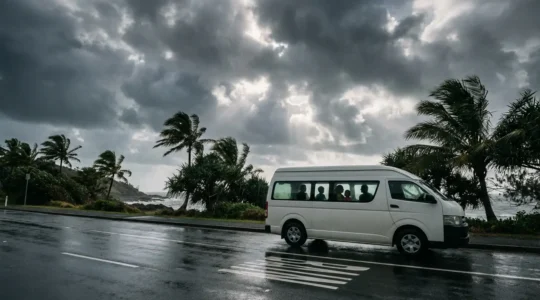
Planning a Queensland Road Trip: Avoiding the Wet Season Pitfalls for Family Campers
Planning a family campervan trip in tropical Queensland means going beyond simple warnings about the wet season. The key to a safe and memorable adventure lies not in avoiding the tropics, but in understanding and mastering its unique rhythms. This…
Read more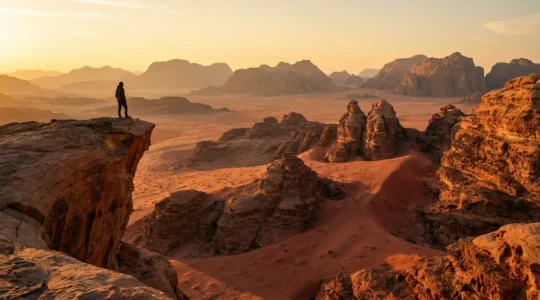
How to Find True Solitude in Wadi Rum (and Escape the Tourist Traps)
The secret to an authentic Wadi Rum experience isn’t finding a hidden camp; it’s bypassing the pre-packaged tourist system altogether. Engaging directly with Bedouin guides, not agencies, unlocks fair pricing and personalized itineraries. Choosing a traditional bivouac over a luxury…
Read more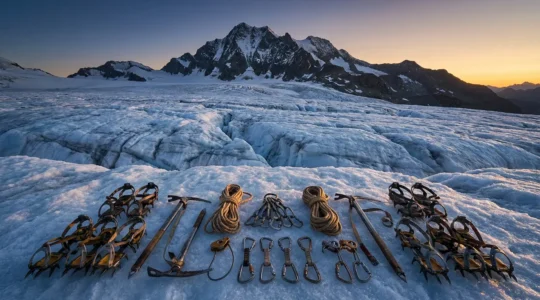
What Technical Mountaineering Gear Is Truly Essential for Peaks Above 4000m?
The safety of your 4000m climb depends less on your gear’s price tag and more on your understanding of its critical failure points. Layering systems fail from the inside out due to trapped moisture, rendering expensive shells useless. Mountaineering boots…
Read more
Preparing for High-Altitude Alpine Trekking: Timelines for Beginners Over 40?
Success at high altitude for a trekker over 40 is not about being fitter; it’s about being smarter and more specific with your physiological preparation. Your body’s response to low oxygen (VO2 max) declines more sharply, requiring targeted training focused…
Read more
How to Identify Genuine Immersive Eco-Tourism vs. Greenwashing: An Auditor’s Guide
The key to sustainable travel isn’t finding the right labels, but developing an auditor’s eye to spot the deceptions hiding in plain sight. Greenwashing thrives on vague claims, from “carbon-neutral” flights backed by phantom offsets to hotels that benefit foreign…
Read more