Renovation and construction
Embarking on a renovation or construction project transforms more than just your physical space—it reshapes how you live, work, and interact with your environment. Whether you’re updating a single room, adding living space, or undertaking a whole-home transformation, the journey requires careful planning, informed decision-making, and a clear understanding of both the opportunities and pitfalls ahead.
The difference between a successful project and a costly nightmare often comes down to knowledge. Understanding structural safety, creating realistic budgets, selecting appropriate materials, and managing timelines effectively are foundational skills that empower homeowners to make confident choices. This comprehensive resource brings together the essential concepts every homeowner should grasp before breaking ground, helping you navigate the complex landscape of renovation and construction with clarity and purpose.
From identifying hidden structural dangers to optimizing energy efficiency, from choosing durable finishes to expanding your living area upward, each decision you make ripples through your project’s timeline, budget, and final outcome. Let’s explore these critical dimensions to equip you with the insights needed for a transformation that truly delivers value.
Understanding Structural Integrity and Safety First
Before aesthetic upgrades or modern conveniences enter the conversation, structural safety must take center stage. The foundation, framing, and load-bearing elements of your home form an invisible skeleton that supports everything else—and compromising this system can lead to catastrophic failures and expenses that dwarf your initial budget.
Identifying Critical Structural Issues
Older buildings particularly harbor hidden dangers that aren’t immediately visible to untrained eyes. Load-bearing walls often look identical to partition walls, yet removing one without proper support can cause floors above to sag or collapse. Professional assessment becomes essential when you’re considering opening up spaces or removing walls. Similarly, truss failure in roof systems manifests through subtle signs—sagging ridgelines, cracked connectors, or water stains—that demand immediate attention before they progress to structural compromise.
Floor joist reinforcement represents another critical consideration, especially when planning to add heavy fixtures like bathtubs, stone countertops, or additional living loads in converted spaces. Understanding the span capabilities of your existing framing and when reinforcement becomes necessary protects both your investment and your family’s safety.
The Risks of DIY Demolition and Water Damage
The appeal of saving money through DIY demolition is understandable, but the risks often outweigh the savings. Beyond the physical danger of falling debris or dust exposure, amateur demolition frequently damages concealed plumbing, electrical systems, or structural elements. What seems like a straightforward wall removal can accidentally cut through critical bracing or hidden utilities, transforming a simple project into an expensive emergency repair.
Water damage indicators deserve particular vigilance, as water silently undermines structural integrity over time. Discolored patches, musty odors, peeling paint, or soft spots in floors signal moisture intrusion that may already have compromised framing members, insulation, or foundations. Addressing these issues before they escalate prevents exponentially larger problems and protects your renovation investment from hidden rot.
Planning and Budgeting for Success
Financial planning separates successful renovations from abandoned half-finished projects. The key lies not just in estimating costs accurately, but in understanding where uncertainties hide and how to protect yourself from budget-destroying surprises.
Building Realistic Budgets with Buffer Zones
Every renovation budget should include buffer zones—financial cushions that absorb the inevitable unexpected discoveries. Industry professionals typically recommend reserving between 10-20% of your total budget for contingencies, with older homes warranting the higher end of that range. These buffers cover hidden damage revealed during demolition, code compliance upgrades required by inspectors, or material price fluctuations during lengthy projects.
Hidden renovation risks come in many forms:
- Outdated electrical systems requiring complete panel upgrades
- Asbestos or lead paint abatement in older properties
- Structural repairs uncovered only after walls are opened
- Permit fees and inspection costs that exceed initial estimates
- Extended timelines that increase labor costs
Acknowledging these possibilities upfront, rather than discovering them mid-project without financial reserves, keeps your renovation on track even when surprises emerge.
The Repair vs. Replace Decision
One of the most consequential choices you’ll face involves determining when to repair existing elements versus replacing them entirely. This decision hinges on multiple factors: the extent of damage, remaining lifespan, energy efficiency improvements, and the total cost of ownership over time rather than just immediate expense.
A leaking roof with localized damage might benefit from targeted flashing repair, but if the roofing material is nearing the end of its expected lifespan anyway, replacement prevents repeated service calls and disruption. Similarly, single-pane windows can be weatherstripped and caulked, but the ongoing energy losses might justify investing in modern glazing technology that pays for itself through reduced utility costs over several years.
Managing Your Renovation Timeline
Time management in construction projects extends far beyond marking calendar dates. It involves understanding task dependencies, coordinating multiple trades, and recognizing how delays in one area cascade through your entire schedule.
The Critical Path Method
The critical path method identifies the sequence of tasks that directly determine your project’s minimum duration. These are activities that must occur in a specific order and cannot be delayed without pushing back your completion date. For example, you cannot install drywall before electrical and plumbing rough-ins are inspected, and you cannot paint before drywall finishing is complete and cured.
Understanding your critical path helps you prioritize attention and resources. Tasks not on the critical path offer some scheduling flexibility—flooring material selections might shift by a week without impact, but delays in foundation work ripple through every subsequent phase. This awareness helps you identify where to focus pressure when timelines tighten and where you have breathing room for adjustments.
Material Procurement and Contractor Communication
Supply chain realities significantly impact renovation schedules. Custom windows might require 8-12 weeks from order to delivery, specialty tiles could take even longer, and even common materials face periodic shortages. Material procurement timing requires you to make selections and place orders well before installation dates, sometimes before you’ve even broken ground.
Regular communication with contractors prevents costly misunderstandings and keeps everyone aligned on expectations. Establish clear protocols for:
- Weekly progress meetings to address concerns before they escalate
- Documentation of change orders with written approval before execution
- Site access schedules and noise restrictions if you’re living on-site
- Payment milestones tied to specific completion stages
The cost of change orders—modifications to the original scope after work begins—can devastate budgets. Each change disrupts workflow, requires re-ordering materials, and often incurs premium charges. Finalizing as many decisions as possible before construction starts minimizes these expensive mid-stream adjustments.
Roofing Systems and Exterior Upgrades
Your home’s exterior envelope serves as the primary defense against weather, moisture intrusion, and energy loss. Thoughtful decisions about roofing and siding deliver both immediate protection and long-term value.
Choosing and Maintaining Roofing Materials
Roofing material selection balances durability, aesthetics, climate appropriateness, and budget. Asphalt shingles offer affordability and ease of installation but typically last 20-25 years. Metal roofing commands higher upfront costs but can endure 50+ years with minimal maintenance. Clay or concrete tiles provide exceptional longevity and fire resistance but require structural capacity to support their weight.
One dangerous shortcut to avoid is overlaying new shingles over existing layers. While building codes in some areas permit one overlay, this practice conceals underlying deck damage, adds excessive weight to the structure, voids many manufacturer warranties, and complicates future replacement. The modest short-term savings rarely justify the long-term complications.
Proper flashing repair around chimneys, skylights, and valley intersections prevents the majority of roof leaks. These metal barriers direct water away from vulnerable penetrations, and their failure accounts for more water intrusion than shingle defects in most cases.
Siding, Facades, and Curb Appeal
Exterior cladding serves dual purposes: protecting the structure from moisture and presenting an aesthetic face to the world. The impact of curb appeal on property value is well-documented, with exterior improvements often returning 70-90% of their cost upon resale—among the highest returns of any renovation category.
The wood versus composite cladding debate centers on maintenance commitment versus initial cost. Natural wood siding offers timeless beauty but requires periodic painting or staining to prevent rot and insect damage. Composite materials cost more upfront but deliver decades of low-maintenance service with consistent appearance and resistance to moisture, insects, and decay.
Ventilated facade systems introduce an air gap between cladding and the structural wall, allowing moisture to escape and reducing thermal stress on materials. This approach extends material lifespan and improves energy performance, though it adds complexity and cost to installation. Fire safety considerations also factor into cladding selection, particularly in wildfire-prone regions where non-combustible materials may be required or strongly advisable.
Energy Efficiency: Insulation, Windows, and Thermal Performance
Energy efficiency improvements deliver ongoing savings that compound over years, making them among the most financially sound investments in any renovation. Understanding the science behind heat transfer helps you prioritize upgrades that deliver maximum impact.
Understanding Thermal Bridging and Insulation Strategies
Thermal bridging occurs when conductive materials like metal studs or continuous concrete elements create pathways for heat to bypass insulation, significantly degrading overall wall performance. A wall with R-20 insulation between studs might perform closer to R-15 when thermal bridging is factored in. Advanced framing techniques, insulated sheathing, and strategic material selection minimize these bridges.
Improving energy efficiency from the outside through continuous exterior insulation creates a thermal break that wraps the entire building envelope. Systems like EIFS (Exterior Insulation and Finish System) or siding with foam backing provide this continuous layer, though proper moisture management becomes critical to prevent trapped condensation from damaging the wall assembly.
The insulation versus space trade-off becomes particularly relevant in attic conversions and tight retrofit scenarios. Thicker insulation delivers better thermal performance but consumes valuable interior volume. High-performance insulation materials like closed-cell spray foam or vacuum insulated panels offer superior R-values per inch, maximizing thermal protection while preserving living space—though at premium costs.
Window Technology and Glazing Options
Modern window technology has evolved dramatically beyond simple panes of glass. The U-value measures heat transfer through the entire window assembly—lower numbers indicate better insulation. Quality windows now achieve U-values below 0.25, compared to 0.90 or higher for older single-pane units, representing a fourfold improvement in thermal performance.
Multiple innovations contribute to these advances:
- Multiple glazing layers creating insulating air spaces
- Low-E (low-emissivity) coatings reflecting infrared heat while allowing visible light through
- Gas fills like argon or krypton between panes, which conduct heat more slowly than air
- Warm-edge spacers reducing thermal bridging at glass perimeters
- Advanced framing materials with lower conductivity than aluminum
Gas fill lifespan typically extends 20+ years in quality windows with proper seals, though gradual leakage eventually occurs. Installation failure modes—improper flashing, inadequate air sealing, or structural support issues—undermine even the best windows, making professional installation critical for achieving rated performance. Beyond thermal performance, soundproofing metrics and optimizing solar gain based on orientation add layers of sophistication to window selection.
Interior Finishes and Healthy Materials
The materials you introduce into your living spaces directly impact indoor air quality and long-term durability. Awareness of potential health concerns guides selections toward finishes that perform well without compromising well-being.
Off-gassing refers to the release of volatile organic compounds (VOCs) from paints, adhesives, carpets, and composite wood products. These chemicals can irritate respiratory systems and contribute to poor indoor air quality, particularly problematic in tightly-sealed energy-efficient homes. Choosing low-VOC or zero-VOC paints, formaldehyde-free cabinetry, and natural materials minimizes these emissions.
The durability of eco-paints has improved substantially, with many now matching or exceeding conventional products in washability, coverage, and longevity. The wallpaper versus paint decision for value typically favors paint for broader market appeal and easier updates, though quality wallpaper in specific applications like powder rooms or accent walls can add distinctive character.
One common primer mistake involves skipping this crucial step to save time or money. Primer seals porous surfaces, blocks stains, improves paint adhesion, and ensures uniform color coverage. Without proper priming, you’ll likely need additional topcoats, undermining any attempted savings. The proper sequence of decorating—repairs first, then priming, followed by painting, and finally installing fixtures and hardware—prevents damage to finished surfaces and delivers professional results.
Expanding Living Space Through Attic Conversions
Converting unused attic space into functional living area offers one of the most cost-effective ways to add square footage without expanding your building footprint. However, success requires addressing several technical challenges unique to these spaces.
Headroom code requirements typically mandate at least 7 feet of ceiling height over a minimum percentage of floor area. Homes with shallow roof pitches may struggle to meet these standards without raising the roof structure—a complex and expensive modification. Accurate measurements before planning help avoid disappointing discoveries.
Staircase placement strategy balances accessibility, safety, and space efficiency. Building codes specify minimum widths, tread depths, riser heights, and headroom clearances that constrain design options. The stairway consumes valuable floor area on both levels, making early planning essential to optimize the layout.
The dormer versus skylight decision affects both interior space and exterior aesthetics. Dormers add headroom and often incorporate windows for light and ventilation, but they require complex roof framing and waterproofing. Skylights cost less and install more simply but don’t increase usable floor area. Some projects benefit from combining both approaches—dormers where height is needed, skylights elsewhere for natural light.
Floor joist reinforcement frequently becomes necessary when converting attics from storage to living space. Structural members originally designed for minimal loads must be upgraded to support furniture, occupants, and the dynamic loads of daily use. An engineer’s assessment ensures the modified structure meets current building codes and safety standards for habitable space.
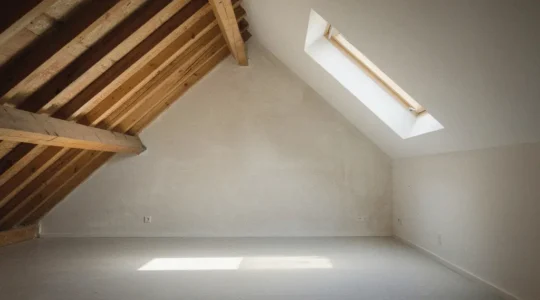
Attic Conversion: Adding Living Space Without Compromising Your Roof’s Structure
An attic conversion is far more than a cosmetic update; it is a fundamental structural project that re-engineers your home’s load path from the roof down. Ceiling joists are not floor joists and almost always require reinforcement to carry the…
Read more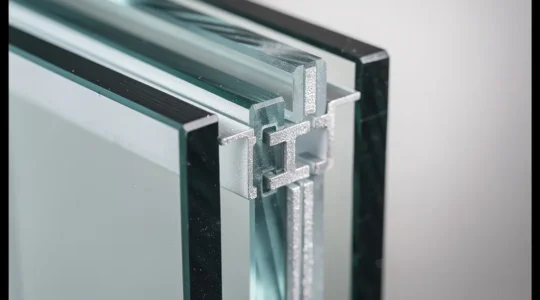
Triple Glazing vs Double: Is the Extra Cost Worth the Sound and Heat Benefits?
The true value of triple glazing isn’t just the extra pane; it’s determined by overlooked details in its specification and installation that dictate actual performance. Thermal comfort comes from a low U-value creating warm surfaces (radiant comfort), not just warmer…
Read more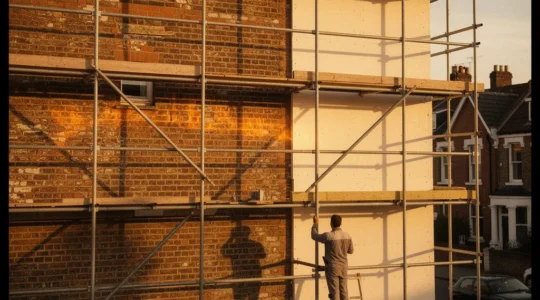
Exterior Thermal Insulation: ROI for Older Homes With Solid Walls?
The true return on investment for exterior insulation on solid walls isn’t just about bill savings; it’s about re-engineering the building into a high-performance thermal system. Stopping heat loss through solid walls requires eliminating “thermal bridges,” something internal insulation often…
Read more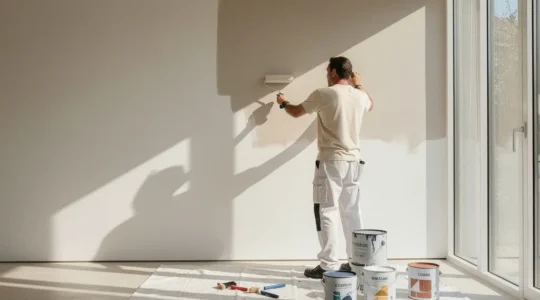
Low VOC Paints vs Standard: Is the Health Impact Worth the Extra Cost?
The higher price of low-VOC paint is a direct investment in your family’s health and your home’s future value, not just an expense. Standard paint fumes contain neurotoxins that linger long after the “fresh paint” smell fades, posing a risk…
Read more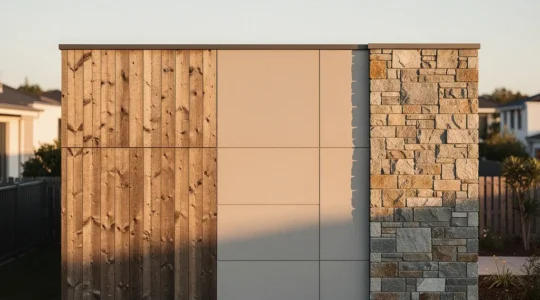
Facade Cladding Renovation: Increasing Home Value via Modern Materials?
A strategic facade renovation is an investment in your home’s high-performance building envelope, not just a cosmetic update, delivering significant ROI through enhanced value and efficiency. Modern cladding systems, like rainscreens, actively manage moisture to prevent costly rot and mold…
Read more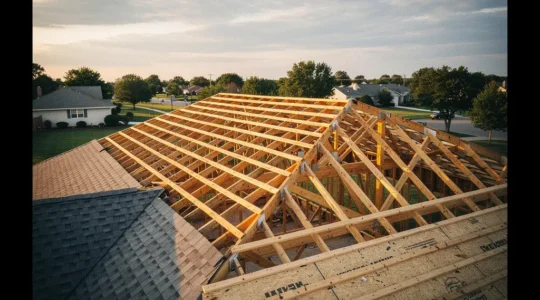
Structural Roof Repair vs. Replacement: Making the 20-Year Decision
The choice between roof repair and replacement isn’t about patching a leak—it’s about securing your home’s structural integrity for the next two decades. Surface issues like worn shingles often mask deeper, systemic failures like a sagging ridge line or widespread…
Read more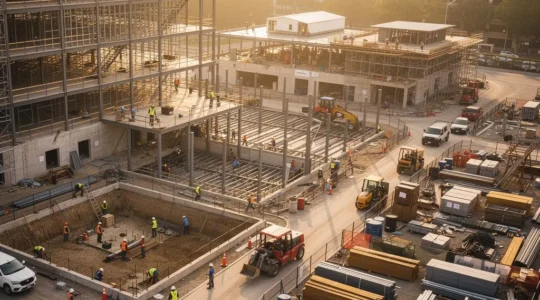
The Disciplined Approach to Construction Efficiency: Deliver On Time, Every Time
Constant delays and budget overruns are not inevitable in construction; they are symptoms of a broken process. The solution isn’t to push crews harder, but to implement a disciplined operational system focused on eliminating friction. This guide moves beyond generic…
Read more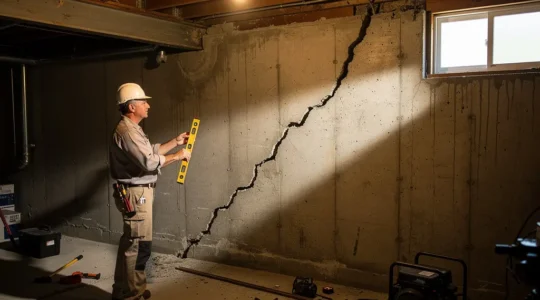
Unforeseen Structural Defects: How to Budget for the Worst in Old Homes?
The romantic vision of a fixer-upper often masks the financial nightmare of catastrophic structural failure. The key to survival is not just having a contingency fund, but learning to diagnose problems like a forensic engineer before you even make an…
Read more
Smart Urban Infrastructure: How It Increases Property Value for Residential Investors?
The true value of smart infrastructure for investors isn’t in the technology itself, but in its measurable impact on Net Operating Income (NOI) and strategic market timing. Focus on upgrades with proven ROI, like targeted smart retrofits and LEED certification,…
Read more