Blog
Our relationship with the planet has reached a critical inflection point. From the products we purchase to the destinations we visit, every decision creates ripples through complex environmental systems. Yet navigating this landscape of responsibility can feel overwhelming, especially when faced with conflicting information, greenwashing tactics, and the sheer scale of ecological challenges.
This comprehensive resource brings clarity to the most pressing environmental topics of our time. Whether you’re taking your first steps toward sustainable living, preparing for environmental emergencies, or seeking to minimize your impact on fragile ecosystems like coral reefs, understanding the fundamentals empowers meaningful action. The following sections explore practical strategies for conscious consumption, the hidden costs of modern conveniences, marine conservation principles, and essential survival skills that connect us more deeply to natural systems.
Why Sustainable Living Matters in Today’s World
The transition to sustainable practices isn’t simply an ethical choice—it’s becoming an economic and social imperative. Think of sustainability as preventive medicine for the planet: small, consistent interventions now prevent catastrophic complications later.
From Awareness to Action: Building Sustainable Habits
Adopting sustainable practices requires more than good intentions. It demands a systematic approach that addresses consumption patterns, waste generation, and resource efficiency. The most successful transitions happen gradually, replacing unsustainable habits with viable alternatives rather than attempting overnight transformations that rarely stick.
A zero-waste household methodology typically follows a hierarchy: refuse unnecessary items, reduce consumption, reuse materials, recycle responsibly, and rot (compost) organic matter. Each stage builds upon the previous one, creating a comprehensive system that minimizes environmental impact. For instance, refusing single-use plastics at the source proves far more effective than relying solely on recycling programs, which face significant contamination and processing limitations.
Practical implementation might include establishing dedicated stations for composting, creating inventory systems to prevent food waste, and identifying package-free suppliers in your community. These tangible steps transform abstract environmental concern into measurable household change.
Decoding Environmental Claims and Certifications
The marketplace overflows with environmental claims, but not all certifications carry equal weight. Understanding the rigor behind sustainability labels protects consumers from deceptive marketing while supporting genuinely responsible businesses.
Legitimate certifications typically involve third-party verification, transparent criteria, and regular audits. Labels like Fair Trade, Rainforest Alliance, or certified organic programs maintain strict standards. In contrast, vague terms like “eco-friendly,” “natural,” or “green” often lack enforceable definitions and serve primarily as marketing tools.
The fast fashion industry exemplifies this challenge. Brands frequently employ greenwashing tactics—presenting superficially sustainable initiatives while maintaining fundamentally harmful production models. A company might launch a small “conscious collection” using recycled materials while their core business continues to rely on exploitative labor and environmentally destructive practices. Recognizing these patterns requires examining a company’s entire supply chain, not just their marketing narratives.
The Hidden Environmental Costs We Often Overlook
Some environmental impacts hide in plain sight, embedded in systems we’ve come to accept as normal. Examining these hidden costs reveals opportunities for more conscious choices.
Tourism’s Ecological Footprint on Sensitive Areas
Popular destinations face a paradox: the natural beauty that attracts visitors is often degraded by their presence. Over-tourism damages fragile ecosystems through physical erosion, pollution, habitat disruption, and resource strain on local infrastructure.
Consider coral reefs near cruise ship ports or alpine meadows along popular hiking routes. The cumulative impact of thousands of visitors—sunscreen chemicals leaching into water, feet compacting soil, litter accumulating in remote areas—can fundamentally alter these environments within just a few seasons. Some locations have implemented visitor caps, permit systems, or seasonal closures to allow ecological recovery, but many destinations still prioritize tourism revenue over environmental protection.
Responsible travelers can minimize their impact by:
- Choosing off-season travel to distribute visitor pressure
- Selecting certified sustainable tour operators
- Staying on designated trails and respecting wildlife boundaries
- Supporting local conservation initiatives financially
Technology and Privacy Trade-offs in Urban Development
Smart cities promise efficiency and sustainability through interconnected sensors, data analytics, and automated systems. These technologies can optimize energy use, reduce traffic congestion, and improve resource management. However, they introduce significant privacy concerns that affect both individual rights and property values.
Constant surveillance through cameras, location tracking, and data harvesting creates detailed profiles of residents’ movements, behaviors, and preferences. This information asymmetry—where corporations and governments possess comprehensive data about individuals who have little visibility into how it’s used—raises fundamental questions about consent, autonomy, and democratic participation. Properties in heavily monitored areas may experience value fluctuations as privacy-conscious buyers weigh technological conveniences against surveillance concerns.
Marine Ecosystems and Our Responsibility
Oceans cover over 70% of Earth’s surface and generate approximately half the oxygen we breathe, yet marine environments face unprecedented degradation. Understanding our impact on these systems is essential for anyone who visits coastal areas or participates in water activities.
Conscious Diving Practices for Ocean Health
Recreational divers occupy a unique position: they witness marine degradation firsthand while potentially contributing to it. Responsible diving practices make the difference between being part of the problem or part of the solution.
Buoyancy control represents the foundation of environmentally conscious diving. Proper weighting and trim prevent accidental contact with coral, which can destroy decades of growth in seconds. Many photographers, eager for the perfect shot, inadvertently damage reefs by kneeling on coral or stirring up sediment that smothers organisms. Optimizing buoyancy specifically for underwater photography ensures you capture images without leaving destruction in your wake.
The seemingly innocent act of touching marine life carries serious consequences. Human contact removes protective mucus layers from fish, transmits pathogens, and stresses animals already facing numerous environmental pressures. Even well-intentioned interactions—like “helping” a stranded animal—can separate juveniles from parents or interfere with natural behaviors.
Divers can actively contribute to marine health through structured debris removal protocols. Organized cleanup dives follow specific procedures: documenting trash types and locations, using mesh bags to prevent entanglement, avoiding disturbance to animals sheltering in debris, and properly disposing of collected materials on land. This data helps researchers identify pollution sources and track mitigation effectiveness.
Sunscreen Impact and Coastal Chemistry
Recent research has revealed that common sunscreen ingredients—particularly oxybenzone and octinoxate—cause significant harm to coral reefs even in minute concentrations. These chemicals trigger viral infections in symbiotic algae, cause coral bleaching, and disrupt reproduction in multiple marine species.
A single drop of sunscreen in a small pool of water can prove toxic to coral. When hundreds of swimmers apply conventional sunscreen before entering reef ecosystems, the cumulative chemical load becomes catastrophic. Several coastal regions have banned reef-toxic sunscreens, prompting the development of mineral-based alternatives using non-nano zinc oxide or titanium dioxide that provide protection without chemical leaching.
Coral Restoration: Science, Methods, and Realities
As natural reefs decline, restoration initiatives have expanded globally. Understanding both the potential and limitations of these efforts provides realistic expectations about what restoration can accomplish.
Coral gardening involves fragmenting healthy coral colonies, growing these fragments in nurseries, and transplanting them to degraded reefs. This process can accelerate recovery in areas where coral recruitment has stalled. Nursery techniques vary from underwater tables to rope systems, each optimized for different species and environmental conditions.
However, restoration faces significant constraints. Artificial reefs—structures designed to provide substrate for coral colonization—show mixed results. While they can support marine life, they don’t replicate the complex biodiversity and ecological functions of natural reefs. Success depends heavily on addressing the underlying stressors (pollution, warming temperatures, overfishing) that caused degradation initially. Planting coral in an environment that’s still hostile to their survival merely delays inevitable decline.
Genetic diversity emerges as a critical consideration in restoration planning. Projects that rely on fragments from limited parent colonies reduce genetic variation, making restored populations more vulnerable to disease and environmental change. Progressive initiatives now incorporate genetic analysis to maximize diversity and select heat-tolerant strains better equipped for warming oceans.
The timeline for ecosystem recovery extends far beyond initial transplantation. While fast-growing species may establish within a few years, developing the structural complexity, biodiversity, and ecological resilience of mature reefs requires decades. Evaluating restoration efficacy demands long-term monitoring that tracks not just coral survival rates but also fish populations, invertebrate diversity, and ecosystem services like wave attenuation and fisheries support.
Essential Skills for Environmental Emergencies
Environmental disruptions—whether natural disasters, infrastructure failures, or wilderness situations—can compromise access to essential resources. Understanding fundamental survival principles builds resilience and self-sufficiency.
Water preservation becomes critical when normal supply systems fail. The human body requires approximately two liters daily for basic function, more in heat or during physical exertion. Mastering water sourcing, purification, and conservation techniques can mean the difference between comfortable survival and life-threatening dehydration.
Certain plants serve as reliable water indicators, growing exclusively in areas with accessible groundwater. Cattails, willows, and cottonwoods signal water sources even when surface water isn’t immediately visible. Learning to identify these species in your region provides navigation advantages during emergencies.
Building solar stills—devices that use sunlight to evaporate and condense water—offers a low-tech purification method requiring minimal equipment. While production rates are relatively low (potentially one to three liters per day depending on conditions), understanding this principle provides options when other methods aren’t available. Emergency signaling techniques, from mirror flashes to ground markers visible from aircraft, increase rescue probability when self-extraction isn’t possible.
These skills connect us to fundamental natural processes that modern infrastructure has made invisible. Practicing them, even recreationally, builds competence and confidence while deepening appreciation for the resources we typically take for granted.
Environmental awareness isn’t a destination but an ongoing practice of learning, adapting, and making increasingly informed choices. Each topic explored here—from household waste reduction to coral restoration science—represents an entry point for deeper engagement with the systems that sustain all life on Earth. Start with areas that resonate most strongly with your values and circumstances, recognizing that collective change emerges from millions of individual decisions made with greater consciousness and care.
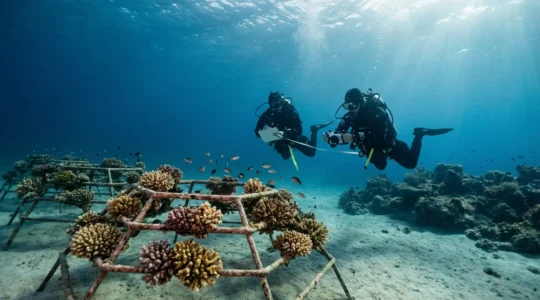
Which Reef Restoration Projects Actually Deliver Measurable Biodiversity Returns?
Most coral restoration metrics are designed to mislead. True impact isn’t measured in corals planted, but in functional, resilient ecosystems that support diverse life. Spectacular failures, like tire reefs, prove that good intentions without ecological science lead to costly disasters….
Read more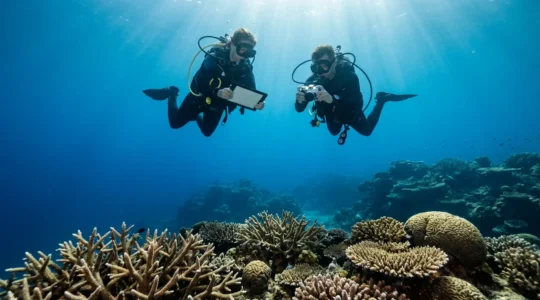
How Can Divers Contribute to Reef and Marine Conservation Without Scientific Degrees?
In summary: Your impact as a diver goes beyond “do no harm”; it’s about making informed, targeted contributions. Understanding the science behind threats like chemical sunscreen pollution and bacteria transfer transforms your actions from simple rules into powerful conservation tools….
Read more
Arid Wilderness Survival: A SERE Instructor’s Guide to Water Preservation
The common advice to ration water in the desert is a fatal mistake; survival depends on preserving your body’s function, not the water in your canteen. Mild dehydration begins to impair critical thinking and motor skills long before you feel…
Read more
Why Environmental Stewardship Is Becoming a Non-Negotiable Metric for Modern Consumers
Contrary to popular belief, individual acts like recycling are no longer enough; true environmental stewardship requires decoding and disrupting the hidden, systemic drivers of environmental damage. The digital services we use daily, like cloud storage, have a hidden carbon footprint…
Read more