Art and culture
Art and culture form the connective tissue of human experience, bridging centuries of tradition with contemporary expression. From ancient practices preserved in indigenous communities to cutting-edge digital installations challenging our perception of ownership, cultural artifacts and artistic movements reveal who we are and what we value. Yet navigating this vast landscape can feel overwhelming—understanding modern art’s conceptual shifts, respecting cultural protocols, or even knowing how to approach a gallery visit requires knowledge that isn’t always intuitive.
This comprehensive exploration examines the multifaceted world of art and culture through five essential lenses: cross-cultural communication, traditional wisdom, heritage preservation, contemporary art theory, and the museum experience itself. Whether you’re seeking to engage more deeply with artistic movements, explore abandoned historical sites responsibly, or simply feel more confident walking into a gallery, these interconnected themes provide a foundation for meaningful cultural participation.
Cultural Exchange and Cross-Cultural Understanding
Authentic cultural engagement begins with communication and respect. Language barriers represent one of the most significant challenges when building trust across cultures, yet they also offer opportunities for creative connection. When verbal communication falters, visual art becomes a universal language—gestures, shared observation of artworks, and collaborative creative activities can bridge gaps that words cannot. Many travelers and cultural workers find that learning just a dozen key phrases in a local language, combined with genuine curiosity about artistic traditions, opens doors that fluency alone might not.
Equally critical is navigating cultural etiquette without stumbling into common pitfalls. Mistakes often stem from assumptions rather than malice: photographing sacred objects without permission, touching artwork or ceremonial items, or discussing sensitive historical events without understanding local perspectives. Different cultures hold vastly different protocols around artistic spaces—some encourage tactile interaction while others view it as deeply disrespectful. Researching specific customs before visiting cultural sites, observing how locals behave in museums and galleries, and asking permission when uncertain demonstrates the respect that transforms tourism into genuine cultural exchange. These seemingly small gestures of awareness create the foundation for deeper understanding and mutual appreciation.
Traditional Cultures and Timeless Wisdom
Indigenous and traditional cultures offer profound lessons that extend far beyond aesthetic appreciation. Their artistic practices are rarely separated from practical knowledge, environmental stewardship, and survival strategies refined over generations.
Learning Survival Mindset from Cultural Practices
Traditional cultures embed resilience and adaptability into their artistic expressions. Pottery techniques that maximize water conservation in arid climates, textile patterns that encode weather prediction knowledge, or architectural forms designed for extreme temperatures—these represent art inseparable from survival. The Bedouin understanding of water conservation, for instance, manifests in both their material culture and their social rituals around hospitality. This holistic approach challenges the modern separation between “practical” and “artistic” knowledge.
Material Knowledge and Environmental Mindsets
The debate between natural and synthetic materials—wool versus synthetic fibers in extreme heat, for example—reflects traditional wisdom about material properties. Indigenous Arctic peoples developed intricate understanding of how different furs and weaves manage moisture and insulation, knowledge that modern outdoor gear only recently began to fully appreciate. Traditional cultures’ artistic choices around materials weren’t aesthetic alone; they represented accumulated testing under real-world conditions. This material intelligence, passed down through craft traditions, offers insights that laboratory testing sometimes overlooks, reminding us that cultural practices often contain sophisticated empirical knowledge.
Urban Exploration and Industrial Heritage
Abandoned industrial sites and forgotten urban spaces have become contemporary canvases for both street artists and photographers, creating a unique intersection of heritage preservation and artistic expression.
Accessing Forgotten Spaces
Cities like Berlin have become magnets for urban exploration, with sites like Teufelsberg—a Cold War listening station built atop a Nazi military-technical college—and abandoned hospital complexes like Beelitz-Heilstätten offering haunting glimpses into layered histories. These locations raise questions about which stories we preserve and how. The comparison between Beelitz-Heilstätten and Spreepark (an abandoned amusement park) illustrates different trajectories: one moving toward controlled tourism and partial restoration, the other remaining in limbo between decay and development. Accessing these spaces requires research into current legal status, as regulations frequently change.
Legal and Ethical Considerations
The ethical exploration of heritage sites demands more than simply avoiding trespassing charges. Even legally accessible abandoned spaces deserve respect: removing artifacts, creating graffiti on historical elements, or sharing precise locations that encourage unprepared visitors all pose problems. The urban exploration community increasingly advocates for “take only photographs, leave only footprints” principles, recognizing that viral social media posts can quickly destroy the fragile balance these sites maintain between preservation and natural decay.
The Art of Documentation
Photography serves crucial roles in heritage preservation, but timing and approach matter profoundly. Golden hour lighting transforms industrial ruins into ethereal spaces, while harsh midday sun reveals architectural details. Beyond aesthetics, systematic documentation of endangered sites creates historical records. However, the value of documentation extends beyond the final image—it includes contextual notes about location history, architectural features, and observed changes over time. This rigor separates casual photography from genuine cultural preservation work.
Contemporary Art: Concepts and Movements
Modern and contemporary art often perplex viewers precisely because they operate under different rules than traditional artistic practice. Understanding these shifts unlocks appreciation.
The Evolution from Skill to Concept
Perhaps no change in art history generates more debate than the shift from technical skill to conceptual emphasis. Where Renaissance masters were judged on their ability to render perspective and anatomy, contemporary artists are often evaluated on the strength of their ideas, regardless of technical execution. This doesn’t mean skill disappeared—it means skill became one possible tool rather than the primary measure of artistic value. A conceptual artist might deliberately employ crude execution to reinforce a point about accessibility or anti-elitism. This shift reflects broader cultural changes: photography displaced painting’s documentary role, making purely representational skill less essential, while globalization and rapid social change elevated art’s potential to provoke thought and dialogue.
Digital Ownership and New Media
The rise of digital art has fundamentally challenged traditional notions of ownership, originality, and value. When an artwork exists as code or pixels, what exactly does someone “own”? Recent developments in blockchain-based certificates attempt to create scarcity and provenance for digital works, but they’ve also sparked intense debate about environmental costs and artificial value creation. Digital art’s reproducibility—once seen as democratizing—now exists in tension with market forces demanding collectibility. This paradox reveals deeper questions about whether art’s value resides in its physical uniqueness, its conceptual innovation, or its cultural impact.
Art as Political Activism
Political activism in art has existed for centuries, but contemporary artists face unique challenges around effectiveness and co-option. Street art addressing housing inequality might itself contribute to neighborhood gentrification; gallery exhibitions critiquing capitalism occur within market systems that commodify that very critique. Yet artists continue finding powerful ways to amplify marginalized voices, document injustice, and reimagine social possibilities. The most effective activist art often works on multiple levels—aesthetically compelling enough to reach beyond the already-converted while substantive enough to avoid empty gesture.
Navigating the Museum and Gallery Experience
Museums and galleries curate not just objects but entire experiences, and understanding their strategies enhances visitor engagement while maintaining critical independence.
Understanding Curatorial Narratives
Every exhibition tells a story through object selection, sequencing, and spatial arrangement. The curator’s narrative arc might compare artistic movements, explore a single artist’s evolution, or argue for connections between seemingly disparate works. Lighting choices guide attention—spotlit pieces demand focus while ambient lighting encourages scanning. Spatial design controls pacing: narrow corridors slow movement while open galleries allow circulation freedom. Recognizing these deliberate choices helps visitors distinguish between inherent artistic meaning and interpretive frameworks imposed by institutions. Blockbuster exhibitions often favor accessible narratives and spectacular installations, while niche shows assume greater prior knowledge but offer deeper specialist insights.
The Role of the Viewer
Contemporary art theory increasingly positions viewers as active participants in creating meaning rather than passive recipients of the artist’s intended message. Your interpretation, informed by your experiences and perspective, holds validity even when it diverges from curatorial text or artist statements. This doesn’t mean “anything goes”—engaging seriously with context and intent enriches understanding—but it does mean your response matters. Some visitors find didactic wall panels essential for comprehension; others see them as constraining imagination. The danger of overly didactic panels lies in foreclosing alternative interpretations before viewers form their own responses. Balancing openness to guidance with trust in your own perceptions creates the most rewarding experience.
Timing and Practical Strategies
Practical considerations dramatically affect art appreciation. Timing your visit strategically—weekday mornings typically offer quieter experiences than weekend afternoons—allows more contemplative engagement. Many museums offer free or reduced admission during specific hours, though these times often bring crowds that offset the financial benefit. Navigating galleries with critical thinking means questioning not just the art but the institutional context: whose voices are represented, whose stories are told, and whose perspectives might be absent. Identifying potential future classics involves looking beyond current hype to work that addresses enduring questions in innovative ways, though predicting artistic legacy remains humbler than it appears—history is littered with once-celebrated artists now forgotten and once-dismissed innovators now canonical.
Art and culture reward sustained curiosity and thoughtful engagement. Whether you’re developing cross-cultural communication skills, exploring industrial heritage sites, grappling with contemporary art’s conceptual frameworks, or simply trying to feel more comfortable in galleries, the journey itself offers value beyond any destination. These domains interconnect in unexpected ways—urban exploration teaches ethical consideration applicable to museum visits, traditional cultural practices inform contemporary artistic innovation, and developing critical viewing skills enhances cross-cultural understanding. By approaching art and culture with both openness and discernment, you transform from passive consumer to active participant in the ongoing conversation that defines human creativity and expression.
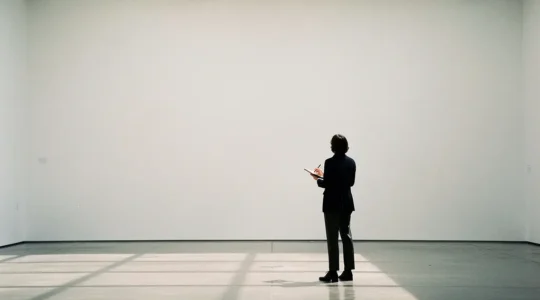
Curated Exhibitions: How to Critique a Gallery Show Like a Professional?
To critique an exhibition like a professional, you must shift your focus from judging individual artworks to decoding the curator’s “visual argument.” The placement of art creates a silent narrative, where sightlines and pacing build a specific story. Lighting is…
Read more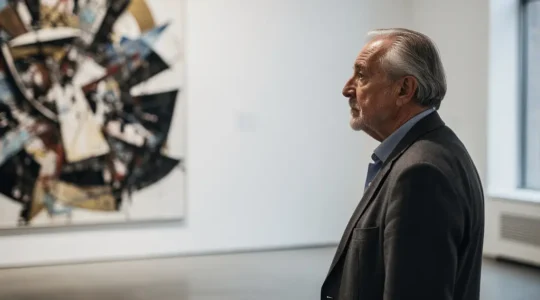
Beyond the Canvas: Why Contemporary Art’s Value System Baffles Traditional Collectors
Contemporary art’s value doesn’t come from the object itself, but from the cultural performance it generates—a shift that leaves traditional, object-focused collectors confused. An artwork’s price is often determined by the discourse, controversy, and conceptual narrative it creates, not by…
Read more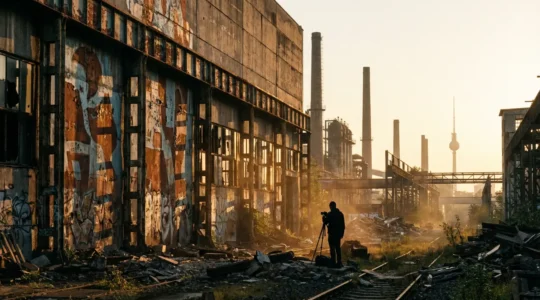
Accessing Abandoned Berlin Industrial Districts for Photography Without Trespassing Fines?
Stop romanticizing the “jump the fence” approach to urban exploration. The true art of capturing Berlin’s industrial decay lies in mastering operational access—a strategic game of digital reconnaissance, permit negotiation, and technical skill. This guide bypasses the generic tourist spots…
Read more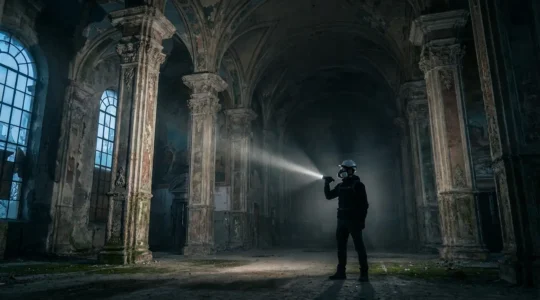
Is Historic Urban Exploration Legal in Protected Heritage Zones?
Legally, urban exploration exists in a grey area where a simple misstep can lead to serious consequences, but the distinction between a civil dispute and a criminal charge is critical. Understanding the difference between civil trespass (a property dispute) and…
Read more
What Modern Travelers Can Learn About Resource Management from Desert Expedition Nomads?
True desert mastery isn’t about finding more resources; it’s about radically redefining your relationship with the ones you already possess, especially those within your own body. Nomadic wisdom shifts the focus from external extraction (finding water) to internal preservation (managing…
Read more