
In summary:
- True active recovery is precise, low-intensity work in Heart Rate Zone 1, not just “light cardio.”
- The goal is to send a “recovery signal” to your body to clear metabolic waste without adding to your total stress.
- Complete rest (“bed rot”) is a mistake that can slow down muscle repair by up to 30%; constant, gentle movement is superior.
- Low-Intensity Steady State (LISS) cardio is far better than HIIT on recovery days because it lowers cortisol and promotes a “rest-and-digest” state.
After a punishing session of sprints or heavy lifts, the instinct for many athletes is to collapse. You’ve earned your rest, and the idea of moving another inch feels counterproductive. Common advice often suggests a “light jog” or some stretching, but this vague guidance misses the entire point of active recovery. It treats recovery as a less intense version of training, when in reality, it’s a completely different physiological signal. You’re not trying to build fitness; you’re trying to accelerate cleanup and repair.
The problem is that without a precise method, many athletes inadvertently turn their recovery session into a low-grade workout, adding more stress to an already taxed system. This article isn’t about just “moving a little.” It’s about a fundamental shift in perspective: viewing active recovery as a calculated, science-backed tool. The true key isn’t just to move, but to move at an intensity that stimulates metabolic flushing without triggering a new stress response. This is the line between accelerating your gains and digging yourself into a deeper recovery hole.
We will break down exactly how to find your precise recovery zone, compare the best low-impact modalities, and dismantle the common mistakes—like complete immobility—that are secretly sabotaging your progress. By the end, you will have a clear, actionable framework for turning your rest days into a powerful engine for growth.
This guide provides a structured approach to mastering active recovery. Below is a summary of the key areas we will explore to help you optimize your rest days for maximum benefit.
Summary: A Strategic Guide to Smarter Recovery
- How to Calculate Your Zone 1 Cap to Ensure You Are Recovering, Not Training?
- Walking vs Cycling: Which Is Better for Leg Flush Without Joint Impact?
- Immediate Cool Down vs Next Day Movement: Which Reduces Stiffness Best?
- How to Use Passive BFR to Mimic Active Recovery When Injured?
- The “Bed Rot” Mistake That Extends Recovery Time by 24 Hours
- How to Size Mountaineering Boots to Prevent Toe Bang on Descents?
- The CNS Fatigue Trap of Doing Squats and Deadlifts in the Same Session
- Why Low-Intensity Steady State Cardio Is Superior to HIIT for Cortisol Management?
How to Calculate Your Zone 1 Cap to Ensure You Are Recovering, Not Training?
The most critical error in active recovery is guessing the intensity. What feels “easy” can still be stressful to a body in a deep recovery deficit. To avoid this, you must work within your physiological Zone 1, the only heart rate zone purely dedicated to recovery. Exceeding this zone means you’ve stopped recovering and started a low-grade training session, defeating the purpose.
While simple formulas exist, the most accurate method for dedicated athletes is the Karvonen formula. It accounts for your individual fitness level by incorporating your resting heart rate (RHR), providing a personalized training zone. Unlike basic formulas that only use max heart rate, Karvonen’s use of heart rate reserve (HRR) makes it a far more precise tool for this purpose. In fact, research confirms that using the Karvonen method for Zone 1 recovery correlates more closely with true aerobic thresholds than simpler percentage-based methods.
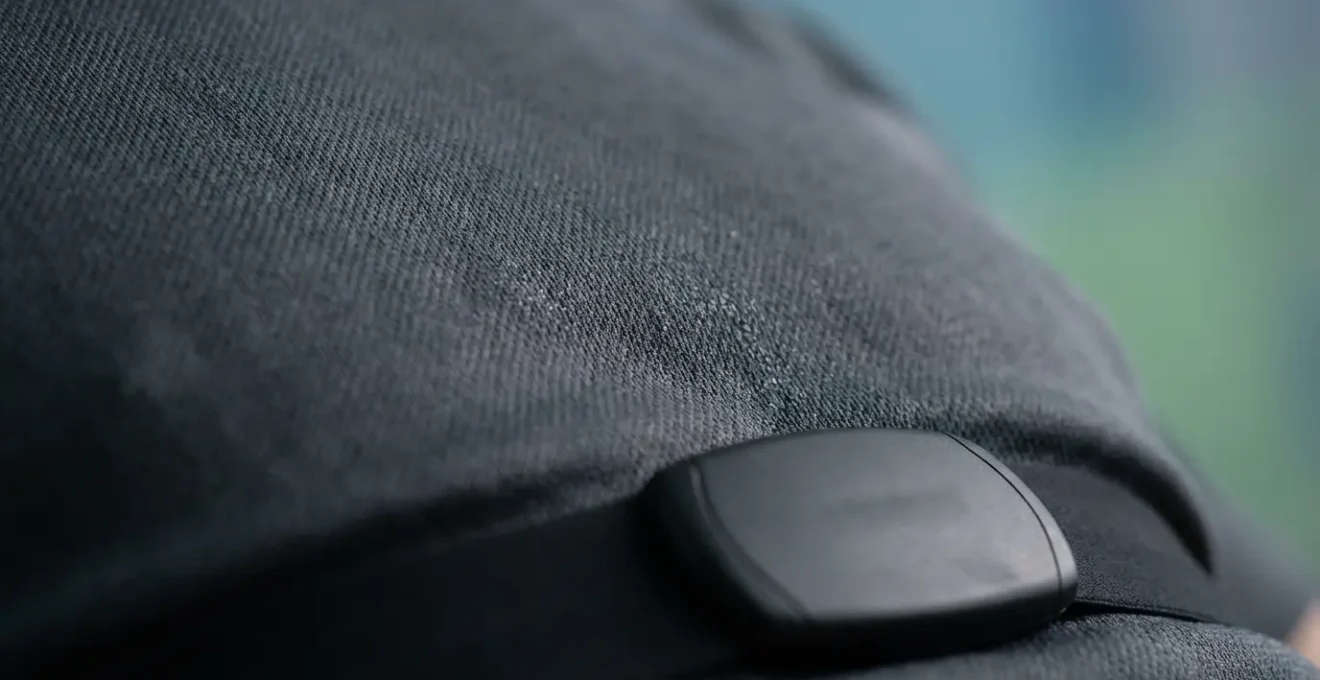
Calculating your specific Zone 1 cap ensures every minute of your recovery session is productive. This isn’t about hitting a target; it’s about respecting a ceiling. The visual below represents the goal: staying in that foundational blue zone where the body’s repair processes are optimized without incurring new stress.
To implement this, you need to be diligent about your numbers. It’s a simple process that transforms your recovery from a vague idea into a measurable, repeatable protocol. Follow these steps to define your personal recovery ceiling and ensure your efforts are truly restorative.
Action Plan: Find Your Personal Zone 1 Cap
- Measure Resting Heart Rate (RHR): For three consecutive mornings, measure your heart rate immediately upon waking, before getting out of bed. Average the three readings for a reliable RHR.
- Calculate Heart Rate Reserve (HRR): Use the formula: ((Max HR – RHR) x %Intensity) + RHR. For Zone 1, your intensity is 50-60%. So, your cap is ((Max HR – RHR) x 0.60) + RHR.
- Apply the Nose Breathing Test: During your recovery session, you should be able to breathe exclusively through your nose. If you need to open your mouth to breathe, you have exceeded Zone 1. Slow down.
- Adjust Based on Daily Readiness: Use metrics like Heart Rate Variability (HRV) if available. A low HRV score means your body is under stress; stay at the bottom end of Zone 1 (50% intensity) or shorten your session.
Walking vs Cycling: Which Is Better for Leg Flush Without Joint Impact?
Once you know your Zone 1 heart rate, the next question is modality. For lifters and sprinters with sore legs, the goal is to promote blood flow without adding impact stress to already sensitive joints and connective tissues. The two best options are walking and stationary cycling. Both are excellent, but they serve slightly different needs.
Walking is the most accessible form of active recovery. It’s a natural, low-stress movement pattern that gently elevates heart rate and stimulates circulation throughout the entire body. An incline walk on a treadmill is particularly effective, as it allows you to raise your heart rate into Zone 1 without needing to increase speed, thus keeping impact to an absolute minimum. It’s a weight-bearing activity, which helps maintain bone density, but the impact is negligible at a slow pace.
Stationary cycling offers a key advantage: it is a zero-impact activity. For athletes with knee or ankle soreness, this can be a game-changer. It allows for precise control over resistance and cadence to keep your heart rate perfectly dialed into Zone 1. Furthermore, the concentric-only motion of pedaling can help pump blood through the legs very effectively. Research shows that cycling at around 40% of VO2max is an optimal intensity for clearing metabolic byproducts like lactate after intense exercise.
So, which is better? For general recovery, both are fantastic. However, if you have any joint sensitivity or want the most controlled, non-impact environment possible, the stationary bike has a slight edge. If you are injury-free and prefer a more natural movement, a brisk walk (especially on an incline) is a perfect choice.
Immediate Cool Down vs Next Day Movement: Which Reduces Stiffness Best?
The timing of your active recovery is a common point of confusion. Should you do it immediately after your workout, or is it better to wait until the next day? The answer is: you should do both, because they serve two completely different physiological purposes.
An immediate cool-down (5-10 minutes of Zone 1 activity post-workout) is primarily about transitioning your nervous system. Intense exercise puts you in a “fight-or-flight” (sympathetic) state. A proper cool-down helps shift you more quickly into a “rest-and-digest” (parasympathetic) state, which is where recovery and adaptation actually happen. While it does help clear metabolic byproducts, the common belief that it’s to “flush lactic acid to prevent soreness” is a myth. Physiology shows lactate levels typically return to baseline within an hour of exercise regardless, so that’s not the main benefit. The real goal is to kickstart the recovery environment in your body immediately.
Next-day movement, on the other hand, is all about combating Delayed Onset Muscle Soreness (DOMS) and stiffness. The microscopic muscle damage from your workout is what causes that 24-48 hour soreness, not lactate. Lying completely still allows fluid to pool in the damaged tissues and can increase the perception of stiffness. A 20-30 minute Zone 1 session the next day acts as a circulatory pump. It delivers fresh, oxygenated blood and nutrients to the damaged muscle fibers and flushes out waste products associated with the inflammatory repair process. This is what truly reduces stiffness and helps you feel human again.
Think of it this way: the immediate cool-down flips the “recovery switch” on in your nervous system. The next-day movement provides the active plumbing to facilitate the repair process. Both are essential components of a complete recovery strategy.
How to Use Passive BFR to Mimic Active Recovery When Injured?
What if you’re injured, excessively sore, or simply too fatigued to even perform Zone 1 cardio? This is where a powerful technology known as Blood Flow Restriction (BFR) can be used passively to create a similar recovery effect without any movement at all.
Passive BFR involves placing specialized cuffs on the upper portion of your limbs and inflating them to a specific pressure. This partially occludes venous outflow (blood leaving the muscle) while still allowing arterial inflow (blood entering the muscle). This process creates a low-oxygen environment in the limb, which triggers a potent metabolic and hormonal response that mimics intense exercise, but without the mechanical stress or muscle damage. The buildup of metabolites signals to the brain to release a cascade of anabolic (growth) hormones.
When used for recovery, the cuffs are inflated for several cycles of 5 minutes on, 3 minutes off. This process essentially tricks the body into thinking it’s working hard, promoting circulation and triggering systemic recovery processes while you are completely at rest. It’s a way to send that crucial “recovery signal” when active movement isn’t an option. This technique has moved from rehabilitation clinics to the mainstream, with professional sports teams adopting it for travel and post-game recovery.
Case Study: Gloucester Rugby’s Use of Recovery BFR
To maintain peak condition during a demanding season, elite teams are leveraging advanced recovery methods. For instance, players from the Gloucester Rugby club use Recovery BFR as a core part of their protocol. They utilize the technology during long bus rides and flights, allowing them to engage in passive recovery and mitigate the negative effects of prolonged sitting immediately after matches.
This image of a resting athlete illustrates the beauty of passive BFR: a state of complete relaxation while the body undergoes a powerful, targeted recovery stimulus.

The “Bed Rot” Mistake That Extends Recovery Time by 24 Hours
After an exceptionally brutal workout, the temptation to spend the next day in bed, a phenomenon sometimes called “bed rot,” is strong. The logic feels sound: “My body is broken, so complete rest must be the answer.” This is one of the most detrimental recovery mistakes an athlete can make. While rest is essential, immobility is the enemy of efficient repair.
When you remain completely sedentary, you create a stagnant environment in your body. Blood flow slows to a crawl, hindering the delivery of oxygen and nutrients to damaged muscle tissues. More importantly, the lack of physical movement sends a negative signal to your muscles at a cellular level. Mechanical loading, even the gentle loading from walking, is a key trigger for Muscle Protein Synthesis (MPS), the process of rebuilding and strengthening muscle fibers. When you remove that signal entirely, you are actively slowing down your own repair.
In fact, the difference is not trivial. Groundbreaking studies on immobility have shown that a lack of movement can reduce MPS signaling by up to 30% compared to days with just light activity. By staying in bed, you are literally telling your body to slow down the rebuilding process, effectively extending your recovery time by a full day or more. The solution isn’t to train; it’s to engage in Non-Exercise Activity Thermogenesis (NEAT)—the low-level movement we do throughout the day.
Instead of “bed rot,” think of your recovery day as a day of “active rest.” The goal is to move gently and often. Here are some simple ways to keep the recovery signals active:
- Take a 20-minute gentle walk every 3-4 hours.
- Perform light household chores like cleaning or organizing.
- Do gentle stretching while watching TV for 10-15 minutes.
- Stand up and move around for 5 minutes every hour if you have a desk job.
- Practice light yoga or mobility exercises for 15-20 minutes.
How to Size Mountaineering Boots to Prevent Toe Bang on Descents?
While sizing mountaineering boots to prevent the painful “toe bang” on long descents is a critical skill for alpinists, the underlying principle is universal for all athletes: equipment and modality choice must prevent stress, not create it. In mountaineering, an ill-fitting boot creates a point of repeated, damaging impact. In cardiovascular recovery, choosing the wrong modality or intensity does the exact same thing to your metabolic system and joints.
Just as a mountaineer must account for foot swell and ensure there’s a thumb’s width of space at the end of their boot, a sprinter recovering from a heavy leg day must choose an activity that doesn’t pound their already-sore joints. For that sprinter, choosing to go for a “light jog” on pavement is the recovery equivalent of wearing boots that are two sizes too small. The repeated impact, even at a low intensity, can exacerbate inflammation and micro-trauma in the knees, ankles, and hips.
This is why the choice between walking (low-impact) and cycling (zero-impact) is so crucial. It’s about matching the “equipment” (the recovery modality) to the current state of your body. If your connective tissues are feeling sensitive, opting for the stationary bike is like choosing a perfectly-fitted boot—it allows you to do the necessary work without creating new problems. Ignoring this and forcing a high-impact activity is a recipe for overuse injuries and stalled progress.
The principle of preventing unnecessary stress is the cornerstone of intelligent recovery. Your body is already dealing with the planned stress from your training; the last thing it needs is unplanned, damaging stress from a poorly chosen recovery method.
The CNS Fatigue Trap of Doing Squats and Deadlifts in the Same Session
To truly understand recovery, we must differentiate between muscle soreness and a much deeper, more pervasive fatigue: Central Nervous System (CNS) fatigue. While your muscles might feel fine, your CNS—the command center of your brain and spinal cord—can be completely fried. This is the fatigue that makes you feel unmotivated, slow, and weak, even if you’re not sore. No two exercises are more taxing on the CNS than heavy squats and deadlifts.
Both movements require immense neural drive, full-body tension, and intense focus to move maximal loads safely. Performing both in the same training session creates a level of systemic stress that is exponentially greater than the sum of its parts. It’s a massive withdrawal from your body’s “stress bucket.” When your CNS is this deeply fatigued, your ability to recover is severely compromised. It needs a profoundly restorative environment to bounce back, not more stimulation.
This is where so many athletes fall into the CNS fatigue trap. They finish their heavy squat and deadlift day and, feeling the need to “do something,” they might choose a high-intensity recovery method like HIIT the next day. This is the absolute worst thing you can do. It’s like trying to put out a fire with gasoline. It pours more stress into an already overflowing bucket, further taxing the CNS and digging a recovery hole that can take days, or even weeks, to climb out of.
When CNS fatigue is high, the only correct answer is true, low-intensity, parasympathetic-promoting activity. Your body is screaming for a “rest-and-digest” signal, not another “fight-or-flight” alarm.
Key Takeaways
- True recovery is a precise physiological signal, not just “light exercise.” Aim for Zone 1 intensity using the Karvonen formula.
- Avoid complete immobility (“bed rot”) on rest days. Gentle, frequent movement is essential for muscle protein synthesis and reducing stiffness.
- For recovery, Low-Intensity Steady State (LISS) is vastly superior to HIIT, as it lowers cortisol and promotes a parasympathetic “rest-and-digest” state.
Why Low-Intensity Steady State Cardio Is Superior to HIIT for Cortisol Management?
The final and most important piece of the recovery puzzle lies in understanding the hormonal impact of your cardio choices. On one side, we have High-Intensity Interval Training (HIIT); on the other, Low-Intensity Steady State (LISS). While HIIT is a powerful tool for building fitness, it is a terrible tool for recovery precisely because of its effect on cortisol, the body’s primary stress hormone.
HIIT is, by definition, a stressor. Its “fight-or-flight” nature triggers a significant cortisol release. On a recovery day, when your body is already managing the stress from previous workouts, adding a HIIT session is like adding another log to the fire. It elevates allostatic load—your cumulative “stress bucket”—and keeps your body in a catabolic (breakdown) state. In contrast, LISS (your Zone 1 work) has the opposite effect. It promotes a shift to the parasympathetic nervous system, the “rest-and-digest” state where repair and adaptation occur.
Over time, consistent LISS can actually help manage and reduce baseline cortisol levels, which is particularly beneficial for athletes dealing with high life stress or who are prone to stress-induced fat storage. The following table breaks down the starkly different responses the body has to these two modalities.
This clear distinction in nervous system response is why LISS is the undisputed king of recovery cardio, as detailed in this comparative analysis of cardio types.
| Aspect | HIIT Response | LISS Response |
|---|---|---|
| Nervous System Impact | Activates sympathetic (fight-or-flight) | Promotes parasympathetic (rest-and-digest) |
| Cortisol Response | Triggers cortisol release | Reduces cortisol over time |
| Recovery Effect | Creates additional stress | Facilitates actual recovery |
| Allostatic Load | Adds to stress bucket | Helps drain stress bucket |
The choice is clear. If your goal is to recover, you must choose the activity that helps drain your stress bucket, not fill it up. HIIT makes you more resilient to stress in the long run, but LISS is what allows you to recover from that stress in the short term. As research demonstrates, LISS can help reduce cortisol levels, making it an invaluable tool for any serious athlete’s toolkit.
Your rest days are not an absence of effort; they are a different kind of effort—one of precision, patience, and physiological intelligence. Stop guessing and start recovering with purpose. Apply these principles to your next rest day to not only feel better, but to come back stronger, faster, and more resilient for your next training session.